

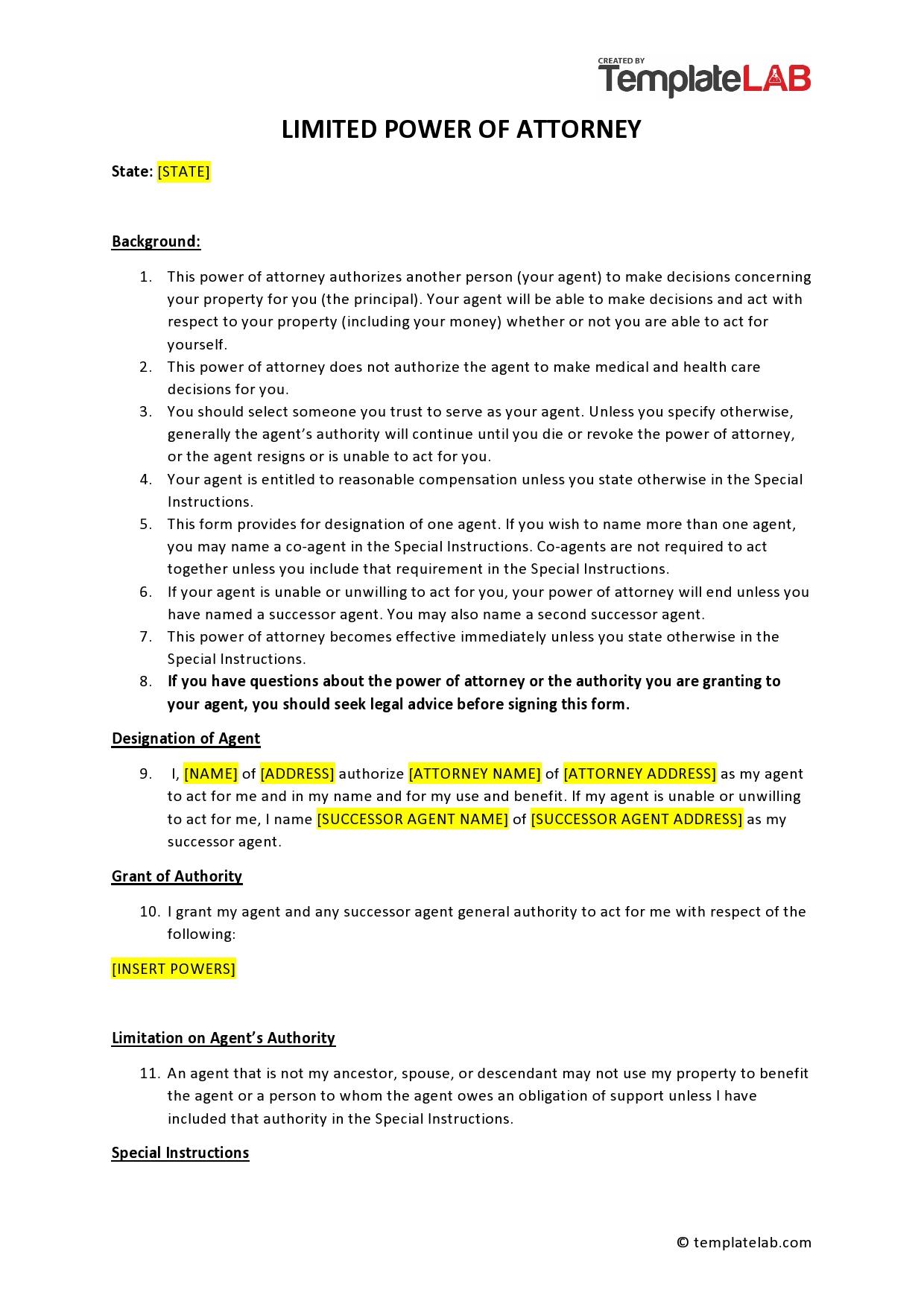
It’s all-natural to postpone thinking of what would occur if you ended up being seriously unwell or hurt and couldn’t make your very own clinical choices. Nevertheless, by spending some time currently to place your dreams in creating, you can save on your own and your liked ones a great deal of anxiety and complication later on. If the unthinkable happens, having a medical power of attorney will certainly make certain your medical care desires are understood and respected.
We never ever understand when something unexpected can occur to us, like an unexpected injury or health problem. With a clinical power of attorney, you produce peace of mind for yourself and your loved ones by choosing somebody you trust to make important choices for you in case you’re unable to
Regardless of your age or health and wellness, a medical power of attorney is an important part of every estate plan. Here’s every little thing you need to find out about this essential legal document.
What is a clinical power of attorney (POA)?
A clinical power of attorney — additionally called a medical care power of attorney or health care proxy — is a paper that allows you to offer somebody the legal authority to make essential medical choices in your place if you end up being incapacitated and can’t connect your own
dreams. A medical power of attorney only applies when you’re immobilized; it never uses when you’re capable of making your very own clinical choices. Relying on where you live, a medical power of attorney may additionally be called:
- Power of attorney for healthcare
- Advance instruction
- Development healthcare instruction
- Clinical power of attorney regulation
The person you call in your clinical power of attorney is called your healthcare “agent” or “proxy.” The choices you can offer your agent the authority to make
- consist of: Consenting to or refusing specific clinical therapies, like surgical treatments, vaccinations, radiation, and a lot more
- Authorizing discomfort alleviation to handle your pain
- Selecting healthcare providers and facilities
- Accessing your medical records to notify their choices
- Licensing life-sustaining care, such as a feeding tube or ventilator
A clinical power of attorney is one kind of POA.At site indiana medical poa from Our Articles
When does your clinical power of attorney take effect?
A clinical power of attorney works when a physician determines you’re “disabled” – suggesting you’re no more able to communicate your dreams or understand the repercussions of a health care decision. This might take place if you:
- Are under general anesthesia
- Experience a health problem, such as a stroke, that leaves you not able to communicate
- Have a crash that leaves you in a coma or subconscious state
- Establish Alzheimer or another type of dementia that impacts your capacity to make logical choices
Why do you require a medical power of attorney?
Producing a clinical power of attorney is an aggressive method to prepare for an unknown future. A clinical power of attorney lets you select someone you depend make essential medical choices when you’re not able to. It’s a method to shield yourself and offer clear assistance to your enjoyed
ones and physicians. Right here are a few advantages of having a medical power of attorney:
- Prepare for an upcoming medical procedure. If you’re preparing for a surgery, it’s a great idea to call a medical care agent because you can’t give consent while under anesthetic.
- Address a degenerative condition diagnosis. Alzheimer’s, cancer cells, ALS, and Huntington’s illness are all problems that will ultimately make it difficult to comprehend or consent to clinical therapy. After medical diagnosis, you may intend to create a medical power of attorney while you still have capacity.
- Guarantee your healthcare desires are respected. Your representative has to choose in your benefit and according to your recognized preferences. By putting your dreams in creating, you reduce the capacity for complication and conflicts.
- Avoid family disputes and lawful concerns. Without clear guidance, your loved ones might differ concerning your care. And if you don’t have a medical power of attorney, a court will certainly require to appoint a medical care representative for you, which can postpone medical treatment and be difficult for everyone included.
- Produce peace of mind for you and your loved ones. Recognizing that you’ve made your preferences clear — which someone you rely on will be there to support for you — can provide enormous convenience to you, and provide your enjoyed ones confidence that they’re doing the right point. By detailing your health care preferences currently, you protect against the burden and tension of those selections from being up to individuals you like.
What takes place if you put on’t have a clinical power of attorney? If you come to be incapacitated and put on’t have a clinical power of attorney, state regulation determines what takes place. In some states, your healthcare providers might have the ability to depend on your next of kin, such as your partner, to make decisions for you. In other states, a court might have to assign a guardian or healthcare agent. When possible, a court will typically select a close member of the family, like a spouse or adult child, to work as your representative.
However, this choice is based upon approximate state legislations and may not straighten with your individual choices. The private the court picks as your agent might not be the person you would certainly have chosen on your own. And your liked ones can’t control who a court will appoint to this function. Likewise, without a medical power of attorney, your loved ones may have to go with a long and challenging legal process to access your medical records so they can make informed choices about your care. This can postpone your treatment and include unneeded stress to a currently tight spot.
By creating a medical power of attorney, you see to it your medical care dreams are recognized and complied with by somebody you trust, also when you can’t advocate for yourself.
Who should you choose as your medical care representative?
Your health care representative or proxy need to be somebody you depend appreciate your wishes and make difficult decisions. Many individuals choose their partner, an adult child, a sibling, or a close friend for this essential role.
When picking an agent, consider the following questions:
- Psychological maturity: Can he or she deal with stressful circumstances and place their emotions apart to execute your wishes, even if those wishes differ from their very own?
- Assertiveness: Is this person comfortable asking inquiries, clarifying info with physicians, and advocating in your place?
- Accessibility: Does this individual online close by, or would certainly they be able to take a trip to you and stay for an extended period?
- Duty: Is he or she organized and responsive? Would certainly they have the ability to take care of crucial decisions about your healthcare in addition to their very own obligations and dedications?
- Readiness to offer: Is this person as much as the job? It’s an important and frequently difficult function. Have a truthful discussion with the person you desire to make certain they’re willing to take on the duty.
It’s a good concept to select an alternative representative, that will certainly act as a back-up in case your main agent is unavailable or unwilling to serve. You additionally have the choice to pick joint representatives — if you do, all agents would have to agree on any kind of clinical decisions.
What choices are covered in your medical power of attorney?
How much authority your medical care agent has over your treatment depends on you. You can write your clinical power of attorney in a manner that allows your representative to make any decision concerning your medical care. Or, you can establish limitations and timeframes on your representative
s power. If you so choose, you can enable your healthcare agent to decide: What healthcare you obtain, including surgery, medical therapies, medications, and home health care
Your health care representative is needed to act in your benefit and according to your wishes. For example, if you’ve shared that you put on’t want to be placed on a ventilator, your agent can’t grant that treatment.
Note that a medical power of attorney doesn’t offer your representative the authority to make financial choices on your — part – consisting of paying for your healthcare. For that, you would need a separate monetary power of attorney to manage your financial resources. Your health care representative would work with your economic agent to make certain you can afford the care chosen for you. (You can make use of FreeWill to make your economic power of attorney completely free, too!)
Medical power of attorney vs. living will: What’s the distinction?
In the past, a “living will” was commonly made use of rather than a medical power of attorney. While a living will describes your clinical preferences, it doesn’t assign an agent to make decisions on your behalf, which can restrict its performance.
Today, a living will certainly is often incorporated into a medical power of attorney or advance directive. These documents offer the same function as a living will, however offer more powerful legal authority by enabling your healthcare agent to choose when required.
Just how to produce a medical power of attorney
Right here are the actions to develop a legally binding clinical power of attorney:
1. Get a clinical power of attorney form.
Each state has its own laws that dictate what makes a medical power of attorney lawful. A lot of states have a standardized form you can make use of. You also have the alternative to utilize FreeWill to make your advancement health care regulation (which includes a medical power of attorney) — our kinds are legitimately legitimate in all 50 states and completely complimentary to use.
2. Select your health care representative.
Your representative will certainly have a great deal of authority, so you must choose someone you depend have your benefits in mind. It’s a good idea to speak with he or she in advance and see to it they’re going to be your agent. You can also share the information of your medical power of attorney with them once it’s ended up to give them a very early understanding of your dreams.
3. Determine which clinical decisions your representative can make on your behalf.
You can specify whether they can choose about therapies, surgeries, long-term treatment, and end-of-life decisions. If you make use of FreeWill to make your medical power of attorney, we offer triggers to aid you tape-record your values and choices.
4. Complete the kind, and indicator and witness it according to the regulations in your state.
In some states, you may be needed to obtain your power of attorney kind notarized before it’s considered legally legitimate. Some states additionally require more witnesses or the trademark of your agent. If you use FreeWill, we supply state-specific instructions to execute your file.
5. Disperse your clinical power of attorney kind.
Offer a copy of your clinical power of attorney kind to pertinent events, including your agent and your health care doctor. If your treating medical professional doesn’t currently have a copy, your agent will certainly require to offer the type as evidence of their placement prior to they’re enabled to make any health care choices for you.
6. Store your clinical power of attorney type someplace safe.
Keep your medical power of attorney form in a safe place with your other estate-planning records. This could be in a fireproof risk-free in your house, a secure deposit box, or at a relied on lawyer’s office. Unlike a will, photocopies of the clinical power of attorney are typically approved, so you can make as many copies of the signed file as you require.
7. Testimonial and update your forms routinely.
Routinely review your medical power of attorney file and upgrade it as your scenarios transform. We recommend reviewing your clinical power of attorney — and various other estate preparing files — every three to 5 years. You must additionally upgrade it if you’re preparing for a clinical procedure or obtain a new wellness medical diagnosis.
Exactly how to revoke or transform a medical power of attorney
You can alter, revoke, or terminate your clinical power of attorney at any moment, as long as you have the mental capacity to do so.
There are 2 means to withdraw your clinical power of attorney:
- Develop a new clinical power of attorney record that mirrors your current dreams. In it, you can name a brand-new health care representative or transform your present agent’s responsibilities.
- Fill out a revocation of power of attorney type, and have it observed and notarized. This document indicates that you no more desire your picked agent to serve as your clinical power of attorney.
Once you’ve developed either of these records, let your original medical care representative understand you’ve withdrawed their power of attorney. You should additionally reach out to third parties who have your power of attorney on file, like your health care medical professional, to let them understand about the revocation. And it’s a great concept to collect and ruin any kind of copies of the old record to prevent complication.