

The fascinating journey of gambling through history
Origins of Gambling
The roots of gambling can be traced back to ancient civilizations, where games of chance were a popular form of entertainment and ritual. As you explore the history of this activity, you may want to read more about how archaeological evidence suggests that people were placing bets and playing games as far back as 3000 BC in Mesopotamia. The earliest known gambling artifacts, including dice and gaming boards, highlight the innate human desire to test luck and risk something for potential reward.
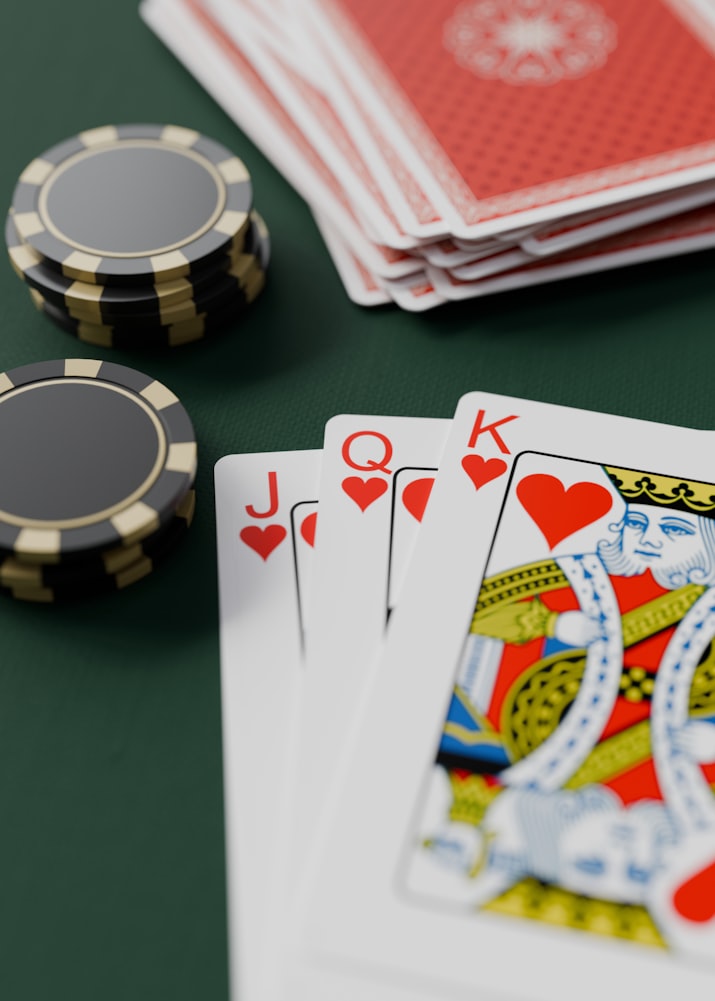
In ancient China, gambling was officially recognized during the Shang Dynasty, where games involving dice and betting on the outcomes of events were commonplace. The introduction of card games in China further propelled the evolution of gambling, laying a foundation that would influence various cultures across the globe.
Gambling in Ancient Civilizations
As societies developed, so did the complexity of gambling practices. In Ancient Rome, betting on gladiatorial games became a significant aspect of entertainment, reflecting the culture’s penchant for risk and competition. Roman citizens would gather in arenas to wager on their favorite fighters, merging entertainment with chance. This societal acceptance of gambling laid the groundwork for its future integration into public life.
Similarly, in Ancient Egypt, gambling was not only a pastime but also incorporated into religious ceremonies. Games of chance were seen as a means to communicate with the gods, thus elevating the act of gambling to a spiritual level. This melding of chance with divinity illustrates how integral gambling was to various aspects of ancient life.
Evolution Through the Middle Ages
The Middle Ages saw a transformation in gambling, marked by both regulation and prohibition. Many European countries began to legislate against certain forms of gambling, often associating it with moral decay. However, despite restrictions, gambling thrived, particularly through the popularity of card games. The emergence of playing cards in Europe provided new avenues for gambling, leading to the establishment of public gaming houses.
During this period, the concept of lotteries also gained traction as a way for governments to raise funds. These lotteries were often used to finance public projects, demonstrating how gambling could serve a broader purpose beyond mere entertainment. The dual nature of gambling as a vice and a source of revenue highlights its complex role in society during the Middle Ages.
The Rise of Modern Gambling
The 18th and 19th centuries marked a significant turning point for gambling, with the emergence of casinos in Europe. The first official casino, the Casino di Venezia, opened its doors in 1638, paving the way for a new era of gambling. These establishments became luxurious hubs for socializing and entertainment, attracting the elite and commoners alike. The allure of casinos also sparked a wave of similar venues across Europe and eventually the Americas.
The advent of technology in the 20th century further revolutionized gambling. The introduction of electronic gaming machines and online platforms brought gambling into the digital age, making it more accessible than ever. Modern gambling now encompasses a wide array of activities, from sports betting to online casinos, reflecting the changing preferences and behaviors of players.

Exploring the Future of Gambling
Today, gambling is a global phenomenon, characterized by a blend of tradition and innovation. The rise of online casinos and mobile gaming platforms has transformed how people engage with gambling, making it a significant part of modern entertainment. Regulatory frameworks continue to evolve, adapting to the changing landscape and aiming to ensure player safety and fair play.
As we move forward, the journey of gambling continues to unfold, with advancements in technology and changing societal attitudes shaping its future. Whether through the thrill of live games or the convenience of online platforms, gambling remains an integral aspect of human experience, promising new adventures for players worldwide.